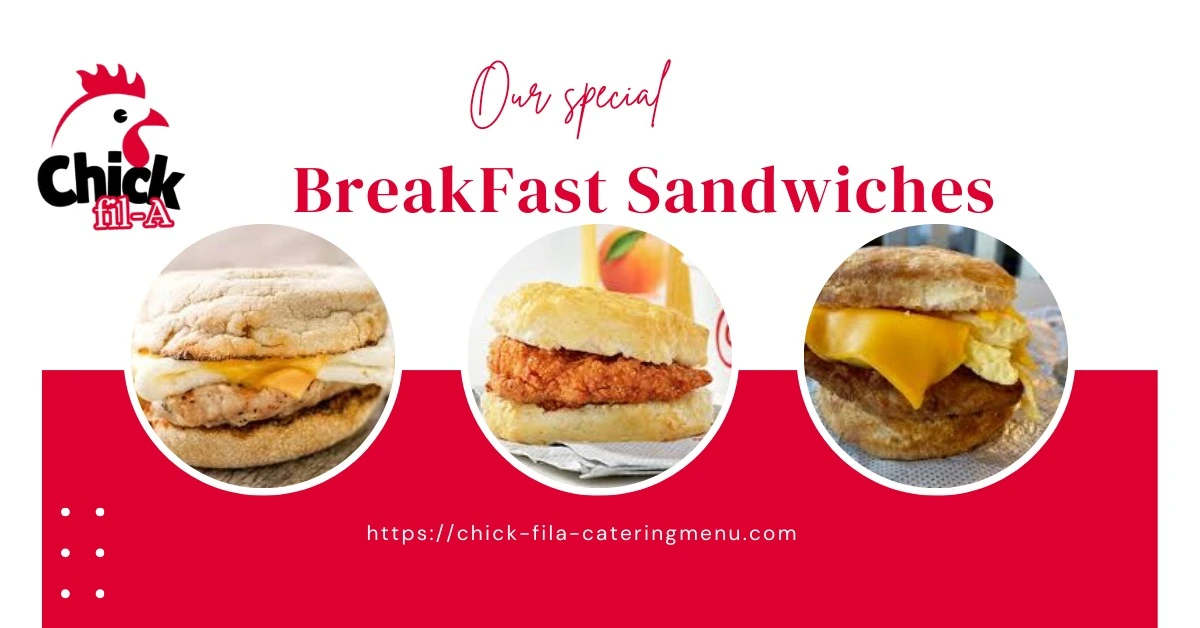
Breakfast sandwiches have become a reliable choice for people who want a filling meal without slowing down their morning routine. Combining protein, bread, and flavorful toppings, they deliver both convenience and satisfaction in one package. Many fast-food restaurants feature them as core menu items because they appeal to commuters, students, and families alike.
You can find breakfast sandwiches in classic, hearty, or lighter styles, making them adaptable to different tastes and dietary needs. Whether you order from a drive-thru or prepare one at home, understanding ingredients, calories, pricing, and availability helps you make smarter choices.
| Quick Overview | Details |
| Typical Price | $3 – $6 depending on size and ingredients |
| Average Calories | 300 – 600 calories |
| Best Time to Order | Early morning (6 AM – 10:30 AM at most chains) |
| Availability | Mostly breakfast hours; limited all-day options |
What Are Breakfast Sandwiches?
Breakfast sandwiches are handheld meals built around bread, eggs, and protein. Designed for speed and portability, they eliminate the need for multiple breakfast items while still offering balanced nutrition. Restaurants focus on warm textures and savory flavors to create a comforting start to the day.
Because they are easy to customize, breakfast sandwiches remain one of the most searched morning foods. Many customers explore options on the chick fil a breakfast menu to find combinations that suit their preferences before arriving.
| Core Element | Purpose |
| Bread Base | Provides structure and energy |
| Eggs | Adds protein and richness |
| Meat or Veggies | Enhances flavor and fullness |
| Cheese/Sauce | Improves texture and taste |
Why They Are a Popular Morning Choice
Breakfast sandwiches save time without sacrificing flavor. People appreciate meals that can be eaten on the go while still feeling substantial. Restaurants optimize them for consistency, so customers know exactly what to expect each visit.
Their balanced composition, protein for energy and carbs for stamina, helps maintain focus during busy mornings.
| Popularity Driver | Benefit |
| Fast preparation | Ideal for tight schedules |
| Portable design | Easy to eat anywhere |
| Flavor variety | Prevents menu fatigue |
| Filling portions | Reduces mid-morning hunger |
How They Fit Into Busy Lifestyles
Modern routines demand quick yet nourishing meals. Breakfast sandwiches meet this demand by minimizing wait times while delivering reliable taste. Many chains prepare ingredients in advance, ensuring rapid service during peak hours.
Professionals often order ahead, while families choose larger bundles from the chick fil a catering menu when feeding groups.
| Lifestyle Need | How Sandwiches Help |
| Commute mornings | Grab-and-go convenience |
| Office schedules | Minimal interruption |
| Travel days | Compact and mess-free |
| Group breakfasts | Easy bulk ordering |
Common Ingredients in Breakfast Sandwiches
The success of breakfast sandwiches comes from ingredient harmony. Each component plays a role in texture, nutrition, and flavor balance. Restaurants typically rely on fresh eggs, toasted bread, and high-quality proteins to maintain consistency.
Understanding ingredients also helps estimate calories and decide which option aligns with your dietary goals.
| Ingredient Category | Examples | Calorie Impact |
| Bread | Biscuit, muffin, bagel | Medium–High |
| Protein | Chicken, sausage, bacon | Medium–High |
| Egg Style | Scrambled, fried | Medium |
| Cheese | American, cheddar | Medium |
| Extras | Spinach, tomato | Low |
Bread Options and Textures
Bread shapes the entire eating experience. A soft biscuit creates a rich bite, while an English muffin offers a lighter feel. Bagels tend to be denser and more filling.
Toasting enhances flavor and prevents sogginess, especially when paired with melted cheese or eggs.
| Bread Type | Texture | Best For |
| Biscuit | Buttery and soft | Hearty appetites |
| English Muffin | Light and slightly crisp | Balanced meals |
| Bagel | Dense and chewy | Longer-lasting fullness |
Protein Choices for Lasting Energy
Protein keeps you satisfied well into the morning. Chicken provides a lean yet flavorful option, while sausage delivers a savory punch. Bacon adds crispness that complements fluffy eggs.
Choosing leaner proteins can reduce calorie intake without sacrificing taste.
| Protein | Flavor Profile | Estimated Calories |
| Chicken | Mild and juicy | 120–180 |
| Sausage | Bold and savory | 180–250 |
| Bacon | Smoky and crisp | 150–220 |
Cheese, Sauces, and Flavor Additions
Cheese introduces creaminess that binds ingredients together. Meanwhile, sauces add moisture and elevate flavor complexity. Even small additions can transform a simple sandwich into a memorable breakfast.
However, extras can increase calorie totals, so moderation matters.
| Addition | Flavor Effect |
| Cheddar | Sharp richness |
| American | Smooth melt |
| Honey butter | Sweet contrast |
| Herb sauce | Fresh taste |
Types of Breakfast Sandwiches You’ll Find
Restaurants design breakfast sandwiches to suit different appetites. Some focus on tradition, while others emphasize bold flavors or lighter ingredients. This variety ensures broad appeal across age groups and dietary preferences.
Exploring types ahead of time makes ordering faster and more satisfying.
| Type | Ideal For | Typical Calories |
| Classic | Everyday breakfast | 350–450 |
| Hearty | Big appetites | 450–600 |
| Light | Calorie awareness | 300–400 |
Classic Egg-Based Options
Classic sandwiches rely on timeless combinations like egg and cheese on toasted bread. They feel familiar and comforting, which explains their steady popularity.
These options usually cost less and remain widely available during breakfast hours.
| Feature | Details |
| Average Price | $3 – $4 |
| Prep Speed | Very fast |
| Flavor Style | Mild and satisfying |
Hearty Meat-Filled Selections
Hearty choices cater to customers who need serious fuel. Extra protein boosts satiety and supports long mornings filled with activity.
Although higher in calories, they often replace the need for additional sides.
| Benefit | Explanation |
| High protein | Keeps hunger away longer |
| Strong flavor | Appeals to savory lovers |
| Larger size | Greater value for big eaters |
Lighter and Fresh Variations
Not everyone wants a heavy breakfast. Lighter sandwiches focus on lean proteins and simpler toppings while maintaining flavor.
They work well for health-conscious diners or those pairing breakfast with coffee.
| Advantage | Result |
| Lower calories | Easier portion control |
| Fresh ingredients | Cleaner taste |
| Balanced macros | Steady energy |
Nutritional Value and What to Expect
Nutrition varies widely based on ingredients, cooking methods, and portion sizes. Still, most breakfast sandwiches deliver a solid mix of protein, carbohydrates, and fats needed to start the day.
Reviewing nutrition before ordering helps avoid surprises and supports better meal planning.
| Nutrient | Typical Range |
| Calories | 300–600 |
| Protein | 15–30g |
| Carbs | 25–45g |
| Fat | 12–30g |
Calories and Portion Awareness
Calories climb quickly when biscuits, sausage, or multiple cheeses enter the mix. Paying attention to portion size prevents overeating while still allowing you to enjoy a satisfying breakfast.
Choosing a moderate option often leaves room for coffee or fruit.
| Portion Style | Calorie Estimate |
| Small | ~300 |
| Standard | ~400–500 |
| Extra hearty | 550+ |
Balancing Protein, Carbs, and Fats
A balanced sandwich keeps energy stable instead of causing a mid-morning crash. Protein supports muscle function, carbs provide quick fuel, and fats enhance flavor and fullness.
Aim for combinations that deliver all three without excessive heaviness.
| Macro | Role |
| Protein | Sustains energy |
| Carbs | Immediate fuel |
| Fats | Flavor and satiety |
When Breakfast Sandwiches Make the Best Meal
Timing plays a major role in enjoying breakfast sandwiches at their freshest. Most restaurants serve them during morning hours when ingredients are newly prepared.
Ordering early often means shorter lines and better availability.
| Ideal Time | Reason |
| 6–8 AM | Fresh batches |
| 8–9:30 AM | Peak selection |
| After 10 AM | Limited choices |
Quick Grab-and-Go Mornings
Busy mornings demand efficiency. Breakfast sandwiches reduce decision fatigue by combining multiple breakfast components into one item.
Mobile ordering further speeds up the process.
| Efficiency Factor | Impact |
| Fast assembly | Short wait |
| Portable | Eat while commuting |
| Predictable taste | Reliable choice |
Office, Travel, and Weekend Breakfasts
These sandwiches adapt easily to different settings. They work equally well during office meetings, road trips, or relaxed weekend mornings.
Group orders simplify planning and keep everyone satisfied.
| Scenario | Why It Works |
| Office breakfast | Minimal cleanup |
| Travel stop | Filling and quick |
| Weekend outing | Crowd-friendly |
Tips for Choosing the Right Breakfast Sandwich
Selecting the right sandwich improves both taste and value. Consider hunger level, nutrition goals, and preferred flavors before ordering.
Looking at menu descriptions ahead of time prevents rushed decisions.
| Selection Tip | Benefit |
| Check calories | Supports health goals |
| Review ingredients | Avoid unwanted flavors |
| Order early | Better availability |
Matching Flavor Preferences
Some people enjoy bold, savory notes, while others prefer mild and creamy textures. Knowing your flavor profile helps narrow choices quickly.
Experiment occasionally to discover new favorites.
| Preference | Suggested Style |
| Savory | Sausage or chicken |
| Mild | Egg and cheese |
| Rich | Biscuit-based |
Considering Dietary Needs
Dietary awareness is increasingly important. Many restaurants now provide nutrition details, helping customers make informed decisions.
Opting for lighter bread or lean protein can align meals with wellness goals.
| Need | Smart Choice |
| Lower fat | Lean protein |
| Fewer carbs | English muffin |
| Higher protein | Double egg |
How to Store and Reheat Breakfast Sandwiches
Proper storage maintains flavor and food safety. If you buy extra sandwiches, refrigerate them promptly to preserve freshness.
Reheating correctly prevents dryness and restores texture.
| Storage Method | Duration |
| Refrigerator | Up to 2 days |
| Freezer | Up to 1 month |
Safe Storage Practices
Wrap sandwiches tightly to prevent moisture loss and odor absorption. Labeling dates helps track freshness and avoid waste.
Always cool items before storing.
| Safety Tip | Purpose |
| Airtight wrap | Preserves texture |
| Quick refrigeration | Limits bacteria |
| Date labeling | Ensures freshness |
Best Methods for Reheating
Reheating should warm the center without overcooking the bread. Ovens provide even heat, while microwaves offer speed.
Split the sandwich before heating for better results.
| Method | Time | Result |
| Microwave | 30–60 sec | Fast but softer |
| Oven | 8–10 min | Crisp texture |
Conclusion
Breakfast sandwiches remain a dependable morning solution thanks to their balance of taste, convenience, and nutrition. With options ranging from classic to hearty, they suit nearly every appetite and schedule. Checking ingredients, calories, and timing ensures a smarter ordering experience.
Whether grabbing one on the way to work or planning a group breakfast, these sandwiches deliver consistent satisfaction without complicating your routine.
Frequently Asked Questions
What is the best time to order breakfast sandwiches?
Most restaurants serve the freshest options between opening time and mid-morning, typically before 10:30 AM.
How many calories are in breakfast sandwiches?
They usually range from 300 to 600 calories depending on bread, protein, and toppings.
Are breakfast sandwiches filling enough for a full meal?
Yes, the combination of protein and carbs helps sustain energy for several hours.
Can you order breakfast sandwiches for groups?
Many chains allow bulk orders, making them practical for meetings and family gatherings.
Do lighter breakfast sandwiches still provide enough protein?
Lean versions often contain 15–25 grams of protein, which supports steady morning energy.
Browse to check Chick fil a Catering Menu
Note: This link only works for visitors from the United States.