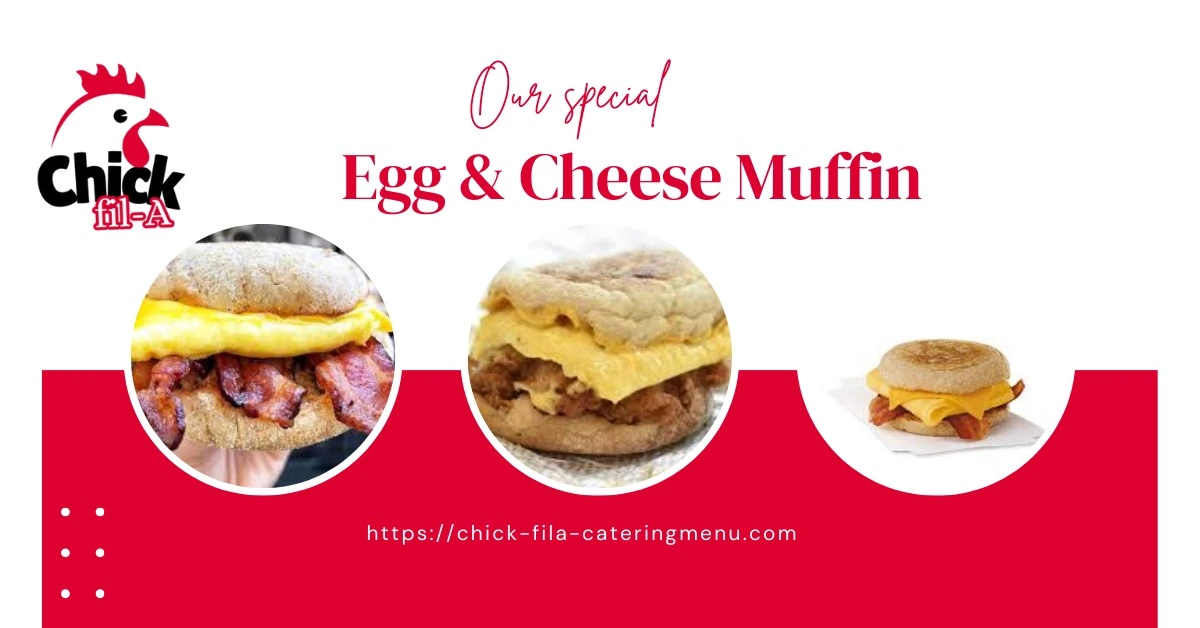
The egg & cheese muffin is a classic breakfast sandwich loved for its simplicity and savory flavor. This handheld meal combines fluffy eggs, melted cheese, and a toasted English muffin for a convenient, filling breakfast. Its portability and balanced taste make it a popular choice for busy mornings, quick office breakfasts, or on-the-go meals. Many fast-food chains feature it as a staple menu item.
What Is an Egg & Cheese Muffin?
An egg & cheese muffin is a breakfast sandwich featuring a cooked egg and a slice of cheese served on a toasted English muffin. It offers a comforting mix of protein and carbs in every bite. Its soft texture and warm flavor make it ideal for a quick, satisfying breakfast. Many people enjoy pairing it with coffee or a small fruit cup for a complete morning meal.
| Feature | Description |
| Meal Type | Breakfast Sandwich |
| Main Ingredients | Egg, Cheese, English Muffin |
| Serving Size | 1 Sandwich |
| Availability | Most Fast-Food Chains & Homemade |
Key Ingredients in an Egg & Cheese Muffin
Egg: Freshness and Cooking Methods
The egg provides the sandwich with rich protein and a soft, fluffy texture. Eggs can be cooked as fried, scrambled, or folded patties depending on preference. Fresh eggs enhance the flavor and overall quality of the muffin.
Cheese Varieties and Flavor Profiles
Cheese adds creaminess and a savory bite. Popular choices include American, cheddar, and Swiss. Each type melts differently, complementing the egg perfectly.
Muffin Bread: Texture and Options
English muffins offer a slightly crisp outside with a soft interior. Whole-grain options provide more fiber, while classic muffins deliver a traditional taste. Toasting enhances flavor and prevents sogginess.
| Ingredient | Options | Notes |
| Egg | Fried, Scrambled, Folded | Use fresh eggs for fluffiness |
| Cheese | American, Cheddar, Swiss | Melts well, adds creaminess |
| Muffin | English, Whole-Grain | Toast for extra texture |
How an Egg & Cheese Muffin Is Made
Preparing an egg & cheese muffin starts with cooking the egg to perfection. The cheese is placed on top while the egg is still hot, allowing it to melt slightly. Finally, the egg and cheese are sandwiched between a toasted English muffin, making it ready to serve.
Step-by-Step Preparation
- Cook the egg to the preferred style.
- Add the cheese on the hot egg.
- Toast the English muffin lightly.
- Assemble and serve warm.
Cooking Tips for the Perfect Muffin
- Use medium heat to avoid overcooking the egg.
- Choose a cheese that melts evenly over the egg.
- Lightly toast the muffin for optimal texture.
Common Mistakes to Avoid
- Overcooking the egg, resulting in rubbery texture.
- Using low-fat cheese that doesn’t melt properly.
- Toasting the muffin too long, causing dryness.
| Step | Tips |
| Egg | Cook medium heat, maintain softness |
| Cheese | Melt over hot egg, use quality cheese |
| Muffin | Lightly toast, avoid dryness |
Nutritional Value of an Egg & Cheese Muffin
The egg & cheese muffin offers a balanced amount of protein, carbohydrates, and fats. It can provide sustained energy and satisfy morning hunger. Understanding its nutritional profile helps you make informed choices while enjoying a quick breakfast.
| Nutrient | Amount (Approx.) |
| Calories | 350 kcal |
| Protein | 14 g |
| Fat | 20 g |
| Carbohydrates | 28 g |
| Sodium | 650 mg |
Swapping to whole-grain muffins or low-fat cheese can slightly reduce calories while keeping the sandwich tasty.
Popular Ways to Enjoy an Egg & Cheese Muffin
Quick Breakfast Options
The muffin is perfect for a busy morning, paired with a hot beverage or a small fruit side. It’s a convenient way to enjoy a warm, filling meal without spending too much time.
Pairing Ideas with Beverages
Pairing an egg & cheese muffin with coffee, tea, or juice enhances the breakfast experience. The creamy cheese complements the acidity of juice and the bitterness of coffee.
Homemade vs. Store-Bought
Homemade muffins allow you to control ingredients, customize flavors, and reduce sodium. Fast-food versions are convenient, consistent, and often more indulgent. Many fast-food chains also offer chick-fil-a-gluten-free alternatives for dietary needs.
| Option | Pros | Cons |
| Homemade | Custom ingredients, lower sodium | Takes more time |
| Fast-Food | Quick, consistent | Higher calories, limited customization |
Storing and Reheating Tips for Egg & Cheese Muffins
Short-Term Storage
Wrap muffins in foil or an airtight container and refrigerate for up to 2 days.
Freezing for Later Use
Egg & cheese muffins freeze well for up to a month. Reheat them in an oven or toaster for best results.
Reheating Without Losing Flavor
Reheat at medium heat to maintain texture and flavor. Avoid microwaving on high, which can make muffins soggy.
| Storage | Method | Duration |
| Refrigerator | Wrap in foil | 2 days |
| Freezer | Ziplock bag | 1 month |
| Reheat | Oven or toaster | Medium heat |
Fun Facts About Egg & Cheese Muffins
The egg & cheese muffin has been a fast-food breakfast staple for decades. It is celebrated for its convenience and satisfying taste. Many people pair it with Chick-fil-A Nuggets for a more filling breakfast or enjoy it as part of a quick morning routine. Its simple ingredients make it versatile and easy to customize.
Conclusion
The egg & cheese muffin is a simple yet satisfying breakfast option that balances protein, carbs, and flavor. Whether enjoyed at home, on the go, or paired with Chick-fil-A Nuggets, it delivers convenience and taste in every bite. Understanding its ingredients, nutritional value, and storage tips ensures every muffin is enjoyable and filling. Its versatility and popularity make it a timeless breakfast favorite.
Frequently Asked Questions
Q1: How many calories are in an egg & cheese muffin?
A: On average, it contains around 350 calories, but this can vary depending on the muffin, cheese, and egg type.
Q2: What is the best time to eat an egg & cheese muffin?
A: Breakfast hours, typically before 10:30 AM, ensure the sandwich is fresh and warm.
Q3: Can I make an egg & cheese muffin at home?
A: Yes, homemade muffins allow ingredient control and customization for flavor and nutrition.
Q4: Are there gluten-free options for egg & cheese muffins?
A: Yes, many fast-food chains offer chick-fil-a-gluten-free muffin options for dietary needs.
Q5: Can I pair an egg & cheese muffin with other fast-food items?
A: Absolutely. Pairing with items like Chick-fil-A Nuggets or a hot beverage completes a convenient breakfast combo.
Browse to check Chick fil a Catering Menu
Note: This link only works for visitors from the United States.