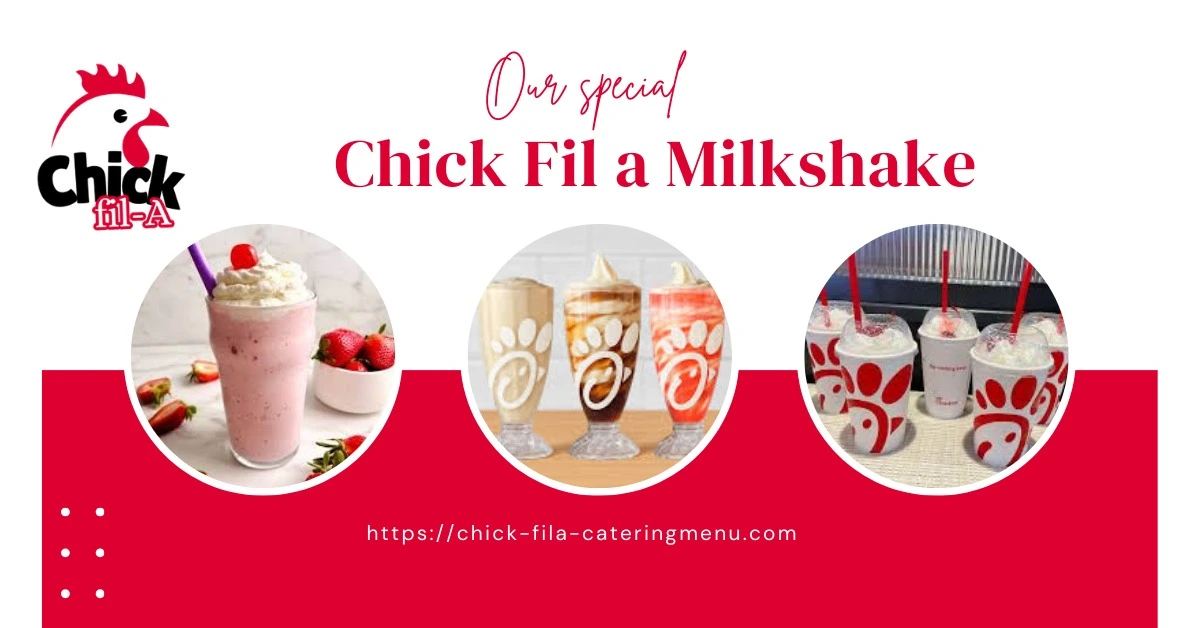
Milkshakes are a beloved indulgence, but many wonder if they can fit into a balanced diet. The truth is, with the right choices, you can enjoy a milkshake without guilt. By understanding calories, sugar content, ingredients, portion size, and pairing strategies, you can satisfy your craving while keeping your nutrition on track. A milkshake can complement a variety of meals, including a Chick-fil-A sandwich or nuggets, making it versatile and enjoyable.
Even though it’s rich and creamy, a medium milkshake can be incorporated occasionally into your diet if you plan your other meals accordingly. Moderation and pairing with protein-rich items allow it to be a satisfying treat rather than an indulgent overconsumption.
| Factor | Milkshake |
| Calories | 500–650 kcal |
| Sugar | 50–70g |
| Portion Size | Medium (16–20 oz) |
| Best Use | Occasional treat |
| Satisfaction Level | High |
This shows milkshakes are energy-dense but manageable when consumed thoughtfully.
Milkshake Nutrition Facts
Milkshakes contain carbohydrates, fats, and some protein. Sugar provides quick energy, while milk adds calcium and protein. Fat contributes to creamy texture and flavor. A milkshake’s calorie density comes from sugar, ice cream, and milk.
| Nutrient | Approximate Amount (16 oz) |
| Calories | 600 kcal |
| Total Fat | 22g |
| Saturated Fat | 14g |
| Carbohydrates | 85g |
| Sugar | 65g |
| Protein | 12g |
| Sodium | 180mg |
This breakdown demonstrates why portion control is crucial. Milkshakes are rich, so even half a serving may provide satisfaction while reducing calorie load.
Calorie Comparison With Other Drinks
Understanding calorie differences helps in planning. Milkshakes are higher in calories than sweet tea or lemonade, but lower than large specialty dessert drinks.
| Beverage | Calories | Sugar | Notes |
| Milkshake (16 oz) | 600 | 65g | Medium size |
| Sweet Tea | 140 | 35g | Hydrating, lower calories |
| Fresh Lemonade | 160 | 42g | Refreshing, natural citrus |
| Diet Drink | 10 | 0g | Low-calorie alternative |
Milkshakes remain a high-calorie option, so pairing with lighter meals keeps your diet balanced.
Ingredients Breakdown
Milkshakes use simple ingredients, but their combination creates indulgence: ice cream, milk, flavor syrup, and optional whipped cream. Each component contributes to texture, taste, and caloric content.
| Ingredient | Purpose | Nutritional Impact |
| Ice Cream | Creamy base | Fat, sugar, protein |
| Milk | Liquid base | Protein, calcium |
| Flavor Syrup | Sweetness | Added sugar |
| Whipped Cream | Topping | Fat, sugar |
| Optional Mix-ins | Texture & flavor | Sugar, calories |
Being aware of these ingredients allows you to make conscious choices, like requesting less syrup or skipping whipped cream.
Price & Portion Size
Cost is important for everyday indulgence. Milkshakes are typically priced between $3.50 and $5.50 depending on size and location. This aligns with dessert pricing at fast-food restaurants and makes it easy to add to meal combos.
| Item | Price | Portion Size |
| Small | $3.50 | 12 oz |
| Medium | $4.50 | 16 oz |
| Large | $5.50 | 20 oz |
You can enjoy a milkshake without significantly increasing your meal cost by choosing medium or sharing large servings.
Allergen Information
Milkshakes contain several allergens, including milk, soy, and possible nuts depending on mix-ins. Gluten may be present in some flavor add-ons or cookies mixed in.
| Allergen | Present | Notes |
| Milk | Yes | Core ingredient |
| Soy | Possible | Syrups or chocolate |
| Nuts | Possible | Mix-ins |
| Gluten | Possible | Cookie flavors |
| Eggs | No | Usually none |
Check allergen guides at your location to ensure safety if you have sensitivities.
Taste & Texture
Milkshakes are known for creamy, thick texture with rich flavor. First sip delivers sweetness and satisfaction, while toppings like whipped cream or chocolate drizzle enhance indulgence. The temperature and smoothness make it a refreshing dessert or beverage.
| Attribute | Rating |
| Creaminess | High |
| Sweetness | High |
| Flavor | Rich & Satisfying |
| Portion Satisfaction | High |
| Enjoyment | High |
Its indulgent nature explains its popularity and repeat orders.
Pairing Milkshakes With Meals
Pairing milkshakes strategically helps maintain balance. Enjoying a milkshake with a Chick-fil-A sandwich or nuggets once a week allows indulgence without disrupting daily calories. Light, protein-rich meals earlier in the day can offset the milkshake’s sugar and fat.
| Meal Item | Combined Benefit |
| Sandwich | Sweet + savory balance |
| Nuggets | Protein pairing |
| Breakfast Biscuit | Lighter alternative to sweet drinks |
| Wrap | Hydration + indulgence |
Smart pairing ensures milkshakes enhance your dining experience while supporting your diet goals.
Health Considerations
Milkshakes are high in sugar and fat, so moderation is crucial. They provide calcium, protein, and energy but are not suitable for low-calorie or keto diets. Choosing smaller portions, skipping whipped cream, or sharing helps manage intake.
| Diet Type | Suitable? | Notes |
| Vegetarian | Yes | Contains dairy |
| Low-Calorie | Occasional | Portion control required |
| Keto | No | High sugar |
| Balanced Diet | Yes | Consume mindfully |
Awareness of nutrients supports guilt-free enjoyment.
Conclusion
Milkshakes provide a rich, creamy dessert experience that can fit into a balanced diet when consumed mindfully. By understanding calories, sugar content, price, and allergens, you can enjoy this indulgence without guilt. Pairing it strategically with meals like a Chick-fil-A sandwich or nuggets ensures satisfaction while maintaining your nutrition goals. Portion control, moderation, and informed choices make milkshakes a treat rather than a diet disruption. Learn More Drink Menus
Frequently Asked Questions
- How many calories are in a Milkshake?
A medium milkshake contains approximately 600 calories, depending on flavor and mix-ins.
- Can I drink a milkshake while dieting?
Yes, if the portion is controlled and paired with lighter meals earlier in the day.
- Does a Milkshake contain allergens?
Yes, it contains milk, may contain soy, and some flavors may have nuts or gluten.
- What flavors are available?
Classic options include chocolate, vanilla, strawberry, and seasonal flavors like pumpkin spice from the fall menu.
- Can I customize a Milkshake for fewer calories?
Yes, you can skip whipped cream, reduce syrup, or choose smaller sizes to lower sugar and calorie intake.
Browse to check Chick fil a Catering Menu
Note: This link only works for visitors from the United States.