
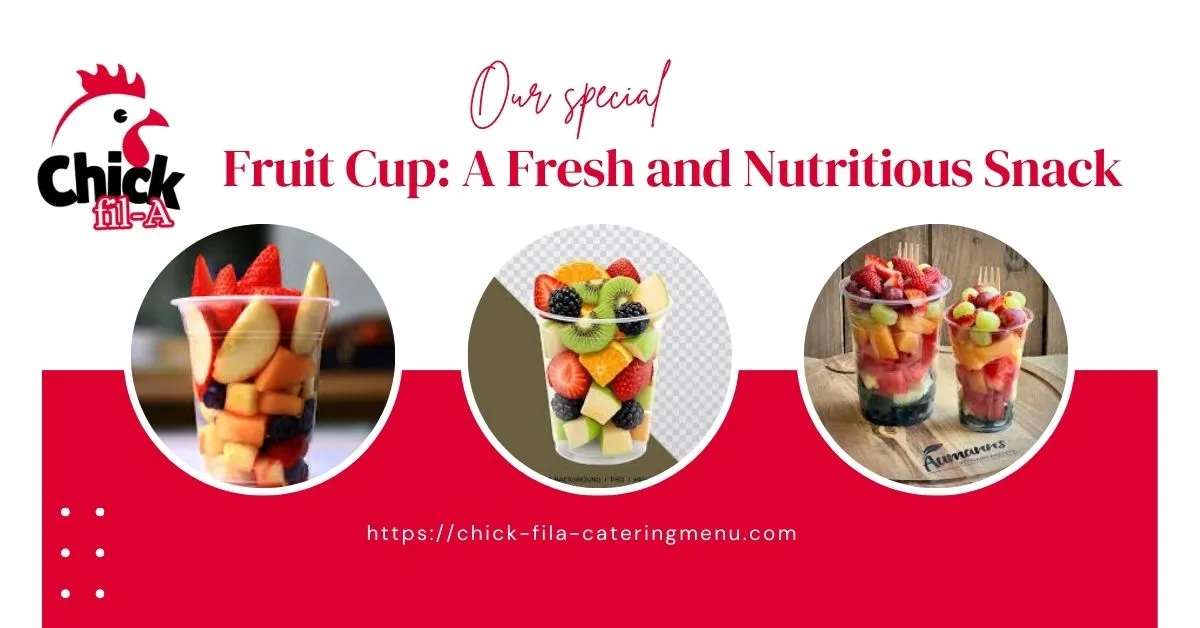
Fruit Cup is a basic but fulfilling choice for a person who wants something light, cool, and healthy. It fits well in the fast-food menu of today, where convenience and balance are of the essence. It is also honey-sweet with refreshing textures that are liked by adults and children. A Fruit Cup is more often than not served on ice, ready to consume and in modest portions to snack on. It is good both as a single item or together with food, salad, or even refreshing beverages. Single personal cups are commonplace servings, naturally sweet and fresh to taste, and can be taken as a snack or light meal with side or as a snack or light meal by itself. They are typically served the whole day at most fast-food restaurants.
What Is a Fruit Cup?
A Fruit Cup is a ready-to-eat mix of fresh-cut fruits served in a small cup or bowl. Fast-food brands include it as a healthier alternative to fried sides or sugary desserts. The focus stays on freshness, color, and natural taste. Most Fruit Cup options avoid heavy syrups, making them suitable for everyday consumption. Customers often choose it when they want something light that still feels satisfying.
| Aspect | Description |
| Core Idea | Mixed fresh fruits |
| Served | Chilled |
| Added Sugar | Minimal or none |
| Popular With | Health-conscious diners |
Key Ingredients in a Fruit Cup
A Fruit Cup has simple, fresh ingredients that taste good and stay firm. It usually includes fruits like apples, grapes, melons, and berries. Sometimes a little juice, honey, or mint is added to keep it fresh and tasty. All these ingredients make a healthy, sweet, and refreshing snack.
Nutritional Value of a Fruit Cup
A Fruit Cup is healthy and low in calories, making it a smart snack. It has fiber, vitamins, minerals, and water to keep you energized and refreshed. Fruits like apples, grapes, and berries give natural sweetness without fat. Small cups have about 60–80 calories, and regular cups have 80–120 calories, so it’s easy to enjoy without overeating.
Health Benefits of Eating a Fruit Cup
Eating a Fruit Cup is a healthy choice that still tastes great. The sweet fruits satisfy cravings and give important nutrients. They go well with meals and help keep your diet balanced. Fruit Cups have fiber to help digestion, vitamins to boost immunity, and lots of water to keep you refreshed. The natural sugars give gentle energy, making them perfect for snacks or light meals.
Different Types of Fruit Cup
Fast-food restaurants offer different types of Fruit Cups to suit everyone. Some are fresh-cut, made daily for the best taste and texture. Others are packaged and ready to eat, which makes them easy to take on the go and keeps them fresh longer. Both types are healthy, tasty, and convenient snacks you can enjoy anytime.
How is a Fruit Cup Is Prepared?
Making a Fruit Cup focuses on keeping everything clean and fresh. Fruits are washed, peeled, and cut carefully so they taste great and look good. Only ripe, firm fruits are used, and they are cut into small pieces for easy eating. This careful preparation keeps the Fruit Cup safe, fresh, and ready to enjoy every time.
Storage and Shelf Life of a Fruit Cup
Proper storage is key to keeping a Fruit Cup fresh, safe, and enjoyable. Refrigeration slows down spoilage and helps maintain the fruit’s texture and flavor. Fast-food outlets follow strict storage timelines to ensure each serving, along with any accompanying salad, meets quality standards.
| Storage / Temperature / Sign | Shelf Life / Effect / Meaning |
| Refrigerated | 24–72 hours |
| Sealed Pack | Up to several days |
| 1–4°C | Optimal freshness |
| Bright Color | Fresh |
| Sour Smell | Discard |
Fruit Cups stay at their best when kept at consistently cold temperatures. Bright, vibrant colors indicate freshness, while sour smells or mushy textures signal that the fruit should be discarded to avoid spoilage.
Food Safety and Hygiene Tips
Food safety is essential to protect both customers and brands. Using clean tools, gloves, and proper hygiene practices reduces contamination risks. Following these measures ensures every Fruit Cup, and even the accompanying salad, remains fresh and safe to eat.
| Safety Step / Practice / Tip | Purpose / Benefit / Result |
| Gloves | Hygiene |
| Clean Tools | Prevent bacteria |
| Separate Cutting | Clean prep |
| Eat Fresh | Best taste |
Staff handle fruits with sanitized equipment and avoid cross-contamination at all stages. Consumers should enjoy Fruit Cups promptly after opening, and refrigeration is recommended if there’s any delay. These steps guarantee safety, taste, and quality in every serving.
Best Ways to Serve a Fruit Cup
A Fruit Cup is versatile and perfect for many occasions. It can be enjoyed as a snack, a side, or a light dessert, making it a convenient choice for fast-food menus. Many outlets also bundle it with meals to add a refreshing, healthy option.
| Occasion / Serving Time | Use / Advantage |
| Breakfast | Light start |
| Lunch | Refreshing side |
| Snack | Midday energy |
| Light Meal | Easy digestion |
| Lunchbox / Events | Portable, no prep |
Fruit Cups satisfy hunger with their natural sweetness without feeling heavy, making them ideal between meals. They are portable, mess-free, and convenient for school lunches, events, or casual occasions, and pair perfectly with drinks for a refreshing snack.
Buying a Ready-Made Fruit Cup
When buying a ready-made Fruit Cup, it’s important to focus on quality and freshness. Check the label for ingredients, production or expiration dates, and nutritional information to ensure you’re getting real fruit with minimal additives. Price is usually reasonable across fast-food chains, making it an easy and healthy choice for a quick snack.
| Factor | What to Check |
| Ingredients | Real fruit, minimal additives |
| Date | Production or expiration date |
| Price | Affordable and fair value |
Portion and Packaging Considerations
Clear packaging makes it easy to see the quality of the fruit inside. Single-serve portions help reduce waste and keep the Fruit Cup fresh. A clear lid lets you quickly check that the fruit looks appealing and ready to eat.
Environmental and Sustainability Aspects
Sustainability is important for modern menus. Many brands use eco-friendly packaging to reduce waste, and choosing seasonal fruits helps lower the environmental footprint. Fruit Cups pair well with drinks, making them a refreshing and eco-friendly choice. These practices make Fruit Cups better for both customers and the planet.
Seasonal Fruit Choices
Using seasonal fruits in a Fruit Cup not only enhances the natural flavor and sweetness but also supports local sourcing and sustainable practices. Fruits that are in-season taste fresher and more vibrant, ensuring a better overall experience for customers while reducing environmental impact.
Eco-Friendly Packaging Options
Eco-friendly packaging options for Fruit Cups, such as compostable cups and lids, help reduce plastic use and minimize environmental impact. These sustainable materials appeal to eco-conscious customers while maintaining the convenience and freshness of the fruit. By choosing compostable packaging, fast-food outlets can support greener practices without compromising quality or presentation.
Conclusion
A Fruit Cup stands out as a fresh, affordable, and highly nutritious fast-food option that appeals to people of all ages. It delivers natural sweetness, essential vitamins, minerals, and fiber, making it a wholesome choice for any time of day. Whether enjoyed alone as a quick snack, paired with a main meal, or included as a light side, it provides a satisfying and refreshing experience. Its convenience, portability, and visually appealing presentation make it perfect for on-the-go eating, school lunches, or casual dining. With every serving, a Fruit Cup, along with a fresh salad and refreshing drinks, offers a simple way to make smarter, healthier menu choices without ever sacrificing taste or enjoyment.
Frequently Asked Question
1. What is a Fruit Cup?
A Fruit Cup is a small serving of fresh-cut fruits, usually ready to eat. It is a healthy snack or side that is light, refreshing, and full of natural sweetness.
2. What fruits are usually in a Fruit Cup?
Common fruits include apples, grapes, melons, and berries. Some Fruit Cups may have a little juice, honey, or mint for extra flavor and freshness.
3. How many calories are in a Fruit Cup?
Small cups usually have 60–80 calories, while regular cups range from 80–120 calories. They are low in fat but provide natural sugars, fiber, and vitamins.
4. How should I store a Fruit Cup?
Keep it refrigerated at 1–4°C to stay fresh. Avoid leaving it at room temperature for long, and check for bright color and firmness before eating.
5. Can I eat a Fruit Cup as a meal?
Yes, Fruit Cups can be a snack, side, or light meal. They pair well with protein-based dishes or can be enjoyed alone for a healthy, refreshing option.
Browse to check Chick fil a Catering Menu
Note: This link only works for visitors from the United States.