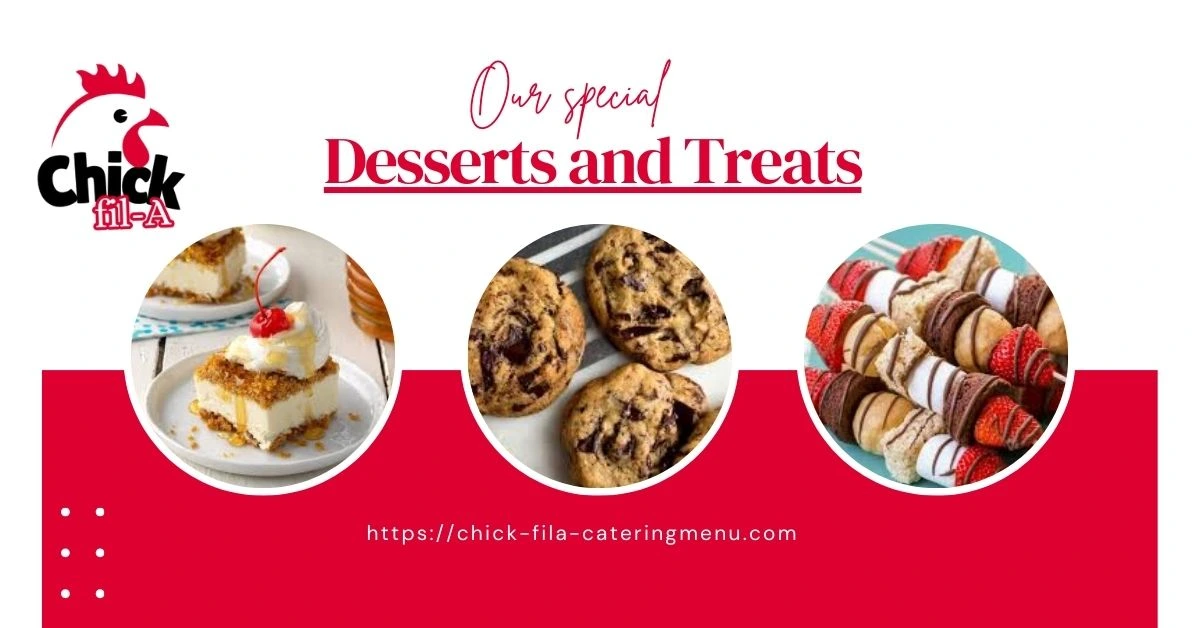
Treats and desserts are a delicious way to finish a meal or have a snack at any time of day. Whether for a fast-food indulgence, a special occasion, or a casual snack, their flavors, textures, and presentation make people happy. There is something to satisfy every craving, ranging from lighter, fruit-based options to rich, chocolatey delights.
What Are Desserts and Treats?
Sweet foods consumed as stand-alone snacks or after meals are referred to as desserts and treats. Cakes, cookies, pastries, ice cream, and even healthier sweet options are among them. In addition to being aesthetically pleasing and aromatic, these products are made to offer a filling conclusion to a meal. Desserts and treats are a mainstay of parties, celebrations, and fast-food menus; they are frequently served with salads or drinks for a full experience.
Popular Types of Desserts and Treats
Desserts and sweeties are of different varieties to suit various tastes. They may be either decadent and light, traditional, or new, and serving dishes.
Cakes and Pastries
Cakes and pastries are a flexible category of food products that are usually prepared during celebrations or as a snack. These are layered cakes, cheesecakes, tarts, and puff pastries.
| Dessert Type | Serving Size | Calories | Price Range |
| Chocolate Cake Slice | 1 slice | 350 kcal | $3–$5 |
| Cheesecake | 1 slice | 400 kcal | $4–$6 |
| Fruit Tart | 1 tart | 250 kcal | $3–$5 |
Cookies and Brownies
Brownies and cookies are the ideal snacks or snacks. They are not too hard or too soft, but sometimes they are crunchy and brittle, and they may come in large trays to serve at parties.
| Dessert Type | Serving | Calories | Price |
| Chocolate Chip Cookie | 1 cookie | 200 kcal | $1–$2 |
| Brownie | 1 piece | 250 kcal | $2–$3 |
Ice Cream and Frozen Desserts
Frozen treats and ice cream also offer something chilled, refreshing, and sweet. They are available at different prices, seasonal, and go well with Drinks such as milkshake or cold teas.
| Dessert Type | Serving | Calories | Price |
| Vanilla Ice Cream | 1 scoop | 140 kcal | $2 |
| Chocolate Sundae | 1 cup | 300 kcal | $3–$4 |
Healthy and Low-Calorie Treats
The health-conscious desserts consist of fruit-based desserts, yogurt parfaits, and baked desserts with fewer sugars. They will curb cravings and maintain moderate levels of calories.
| Dessert Type | Serving | Calories | Price |
| Fruit Parfait | 1 cup | 120 kcal | $3–$4 |
| Oat Cookies | 2 pieces | 150 kcal | $2–$3 |
Ingredients Commonly Used in Desserts and Treats
There is a vast variety of ingredients used to make desserts and treats, including traditional sugars and dairy, fruits, nuts, and flavours. With quality materials, one can have better taste and presentation.
Sweeteners and Sugars
They need sugar, honey, maple syrup, and natural sweeteners to equalize flavors. Low-calorie desserts are usually made with stevia or coconut sugar, which are healthier choices.
Dairy and Non-Dairy Options
Pastries and cakes are typical of butter, milk, cream, and cheese. Alternatives to dairy, such as almond milk, soy cream, or coconut milk, are available to meet dietary requirements.
Fruits, Nuts, and Flavorings
Fresh fruits, dried fruits, nuts, chocolate, and spices like cinnamon or vanilla enhance flavor, texture, and visual appeal. These ingredients also allow desserts and treats to pair nicely with Salad or Drinks for meal combos.
How to Serve Desserts and Treats
Proper serving enhances the enjoyment of desserts and treats. Presentation, portion size, and pairing with beverages or complementary items matter for both aesthetics and taste.
Presentation Tips for Parties
- Arrange desserts in tiers or platters for visual appeal
- Use garnishes like mint, chocolate shavings, or fruit slices
- Colorful desserts attract attention and encourage tasting
Portion Sizes for Different Events
| Event Type | Recommended Portion |
| Small gathering | 1–2 pieces per person |
| Birthday party | 2–3 pieces per person |
| Large events | Serve in trays or mini portions |
Storing Desserts and Treats for Freshness
Correct storage keeps desserts fresh, safe, and delicious. Temperature, humidity, and packaging play key roles in maintaining quality.
Refrigeration and Freezing Guidelines
Refrigerate cream-based desserts and pastries to maintain freshness, and freeze items like ice cream or cakes meant for long-term storage. Always use airtight containers to preserve moisture, flavor, and overall quality.
Safe Handling and Hygiene Tips
Always wash hands, use clean utensils, and avoid cross-contamination with raw foods. Proper hygiene ensures desserts remain safe and enjoyable.
Creating a Balanced Dessert Menu
A balanced dessert menu offers both indulgent and healthy options to cater to diverse tastes and dietary preferences. This approach encourages guests to enjoy variety without overindulging.
Combining Indulgent and Healthy Options
Offer rich desserts like chocolate cake alongside fruit-based or low-calorie treats. This balance satisfies all cravings and supports dietary needs.
Matching Desserts with Meals and Events
Pair desserts with main courses, Drinks, or Salad for a complete meal experience. Seasonal or themed desserts enhance festive occasions and special gatherings.
Conclusion
Desserts and treats offer a delightful mix of flavors, textures, and visual appeal, making them ideal for any occasion. By selecting a variety of indulgent and healthy options, presenting them attractively, and storing them properly, you can ensure every guest enjoys a fresh, satisfying, and memorable experience. Pairing desserts with Drinks or a Salad completes the meal and adds value to any fast-food or catering menu.
Frequently Asked Questions
Q1: How many calories are in common desserts and treats?
Calories vary widely, from 120 kcal for fruit parfaits to 400 kcal for rich cake slices.
Q2: Are desserts and treats suitable for dietary restrictions?
Yes, Many options are available, including dairy-free, gluten-free, and low-sugar choices.
Q3: When is the best time to order desserts for events?
Order 24 to 48 hours in advance, especially for cakes, large trays, or specialty items.
Q4: Can desserts be paired with other menu items?
Yes, they pair well with Drinks, Salad, or main courses for a balanced meal experience.
Q5: How should desserts be stored for freshness?
Refrigerate cream-based items, freeze long-term desserts, and keep pastries in airtight containers.
Browse to check Chick fil a Catering Menu
Note: This link only works for visitors from the United States.