
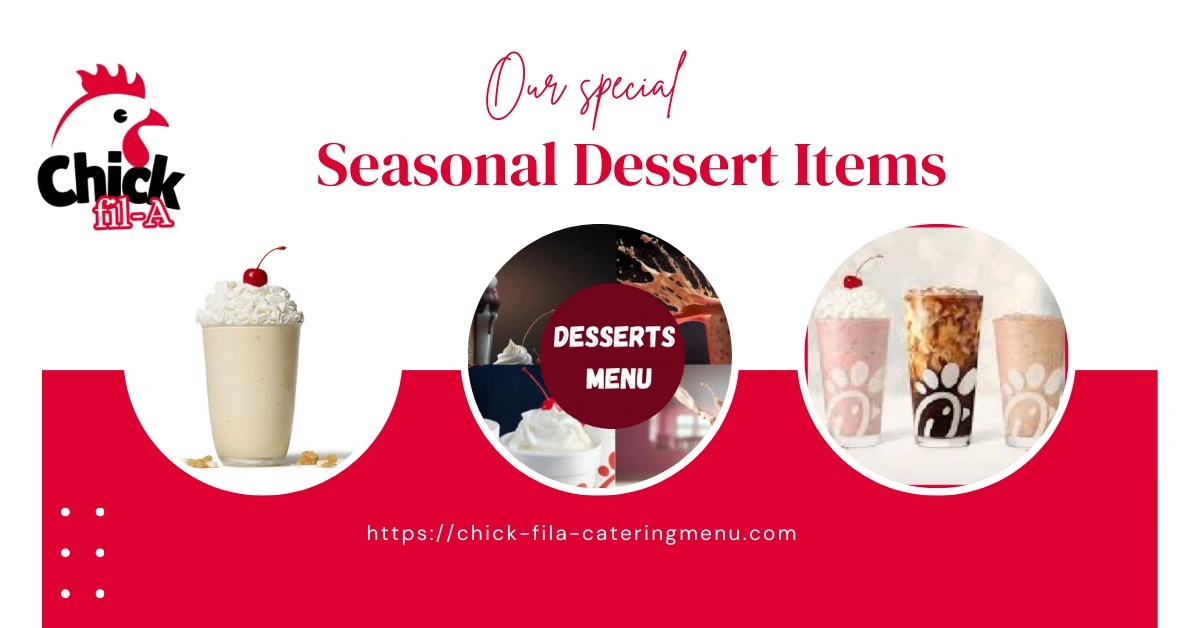
Seasonal dessert items are menu offerings that change according to the time of year. Restaurants create these items using fresh, in-season ingredients to match the flavors of each season. This approach ensures desserts feel fresh, unique, and aligned with customer expectations.
Summer desserts often include berries, citrus, and tropical fruits, while autumn features pumpkin, caramel, and cinnamon flavors. Winter desserts highlight chocolate, peppermint, and nutty combinations, and spring includes light, fruity, and floral inspirations.
By rotating desserts seasonally, restaurants can attract repeat customers who are eager to try new flavors. Seasonal dessert items also allow chefs to showcase creativity while using peak-quality ingredients.
| Season | Example Ingredients | Popular Desserts | Flavor Profile |
| Spring | Strawberries, rhubarb, citrus | Fruit tarts, lemon mousse | Light, fresh, tangy |
| Summer | Blueberries, peaches, mango | Fruit cups, sorbets | Refreshing, sweet, tropical |
| Autumn | Pumpkin, caramel, cinnamon | Pumpkin pie, spice cake | Warm, spiced, cozy |
| Winter | Peppermint, chocolate, nuts | Chocolate peppermint brownies, fudge | Rich, sweet, festive |
Why Seasonal Dessert Items Are Popular
Seasonal desserts are popular because they offer variety, freshness, and a limited-time appeal. Customers often enjoy trying flavors that are available for a short period, creating excitement and urgency.
Additionally, seasonal ingredients are at their peak, providing the best taste and nutritional value. For example, summer berries are naturally sweeter and juicier than off-season imports.
Restaurants also benefit from seasonal dessert items because they encourage customers to visit regularly to taste new offerings. Limited-time desserts often become social media highlights, driving additional awareness and engagement.
| Reason | Benefit |
| Limited-Time Offer | Creates urgency and excitement |
| Fresh Ingredients | Better taste and nutrition |
| Variety | Encourages repeat visits |
| Social Media Appeal | Free marketing through sharing |
Common Seasonal Dessert Ingredients
Seasonal desserts rely on fresh, in-season ingredients to deliver optimal flavor. Fruits, spices, nuts, and dairy often change depending on the season.
Summer ingredients include berries, peaches, and tropical fruits, while autumn focuses on pumpkin, apples, and cinnamon. Winter often emphasizes chocolate, nuts, and peppermint, while spring highlights citrus fruits and floral flavors like lavender.
Chefs combine these ingredients into pastries, mousse, cakes, ice creams, and parfaits to create innovative seasonal offerings.
| Ingredient | Season | Example Use |
| Strawberries | Spring | Fruit tarts, parfaits |
| Peaches | Summer | Sorbets, pies |
| Pumpkin | Autumn | Pies, spice cakes |
| Peppermint | Winter | Brownies, hot chocolate desserts |
Calories and Nutrition
The calorie content of seasonal desserts varies depending on ingredients and preparation methods. Fruit-based desserts tend to be lower in calories, while chocolate and cream-based desserts can be higher.
Customers can make healthier choices by selecting fruit-focused desserts or smaller portion sizes. Seasonal desserts also often provide natural vitamins from fresh fruits, especially when made with minimal added sugars.
| Dessert Type | Average Calories | Nutritional Highlights |
| Fruit Tart | 200–250 | Vitamins, fiber |
| Sorbet | 120–150 | Low-fat, natural sugar |
| Pumpkin Pie | 300–350 | Fiber, vitamin A |
| Chocolate Peppermint Brownie | 400–450 | Rich in sugar and fat |
Pricing and Serving Sizes
Seasonal dessert items are usually priced according to ingredient cost and portion size. Limited-time ingredients like berries or specialty spices can increase costs slightly.
Small individual portions are perfect for one person, while dessert trays or cakes serve groups and are ideal for parties or events. Offering seasonal dessert trays encourages group orders and catering.
| Dessert | Serving Size | Estimated Price |
| Fruit Cup | 1 cup | $4–$5 |
| Seasonal Tart | Individual | $5–$7 |
| Dessert Tray | Serves 6–12 | $20–$30 |
| Cake | Serves 12–16 | $30–$40 |
Best Occasions for Seasonal Desserts
Seasonal desserts work well for holidays, birthdays, office parties, and family gatherings. They provide a thematic touch that complements the season’s mood.
Summer desserts are refreshing for outdoor gatherings, while autumn desserts create a cozy feeling for fall events. Winter desserts are perfect for holidays, and spring desserts add color and lightness to celebrations.
| Season | Occasion | Recommended Dessert |
| Summer | Pool party, BBQ | Fruit sorbet, peach tart |
| Autumn | Halloween, Thanksgiving | Pumpkin pie, caramel cake |
| Winter | Christmas, New Year | Chocolate peppermint brownie |
| Spring | Easter, baby shower | Lemon mousse, strawberry tart |
Tips for Choosing the Best Seasonal Dessert
- Consider the season: Select ingredients at peak freshness.
- Think about portion sizes: Avoid oversized desserts if counting calories.
- Pair flavors thoughtfully: Combine complementary textures and tastes.
- Check allergen info: Nuts and dairy are common in seasonal desserts.
- Try something new: Limited-time items often offer unique experiences.
| Tip | Benefit |
| Seasonally Fresh | Best taste and quality |
| Portion Control | Balanced calorie intake |
| Flavor Pairing | Enhances dessert experience |
| Allergen Awareness | Safe for all guests |
Seasonal Dessert Items vs Standard Menu Desserts
Standard desserts are available year-round, often using common ingredients like chocolate, vanilla, or caramel. Seasonal desserts use limited ingredients and often feature bolder flavors.
Customers enjoy trying seasonal desserts for their novelty, freshness, and exclusivity. They also encourage repeat visits because the menu changes regularly.
| Dessert Type | Availability | Flavor Variety | Special Features |
| Standard | Year-round | Common flavors | Consistent |
| Seasonal | Limited-time | Unique flavors | Fresh, innovative |
Conclusion
Seasonal dessert items provide excitement, flavor, and freshness that standard desserts cannot always offer. By leveraging in-season ingredients, restaurants create memorable experiences for customers.
These desserts are perfect for celebrations, holidays, or simply enjoying a sweet treat that matches the season. For anyone looking to combine taste, freshness, and limited-time excitement, seasonal dessert items are an excellent choice.
Frequently Asked Questions
1. What are seasonal dessert items?
They are desserts that change based on the season, using fresh, in-season ingredients.
2. Why are seasonal desserts popular?
They offer unique flavors, freshness, and limited-time appeal that attracts customers.
3. Are seasonal desserts healthier than standard desserts?
Some are, especially fruit-based options, which provide vitamins and fiber.
4. Can I order seasonal dessert trays for parties?
Yes, many restaurants offer trays or cakes for group events.
5. How do I choose the best seasonal dessert?
Select items with peak-season ingredients, consider portion size, and match flavors to your preference.
Browse to check Chick fil a Catering Menu
Note: This link only works for visitors from the United States.